Mesh vs Foam Office Chair: Which Is Better for Your Spine & Workday?
An engineering comparison of mesh vs. foam office chairs, analyzing heat dissipation, pressure distribution, durability, and lumbar support.
⚡ Quick Picks: Our Top Recommendations
Updated: July 2026Prices and availability are accurate as of July 2026 and are subject to change.
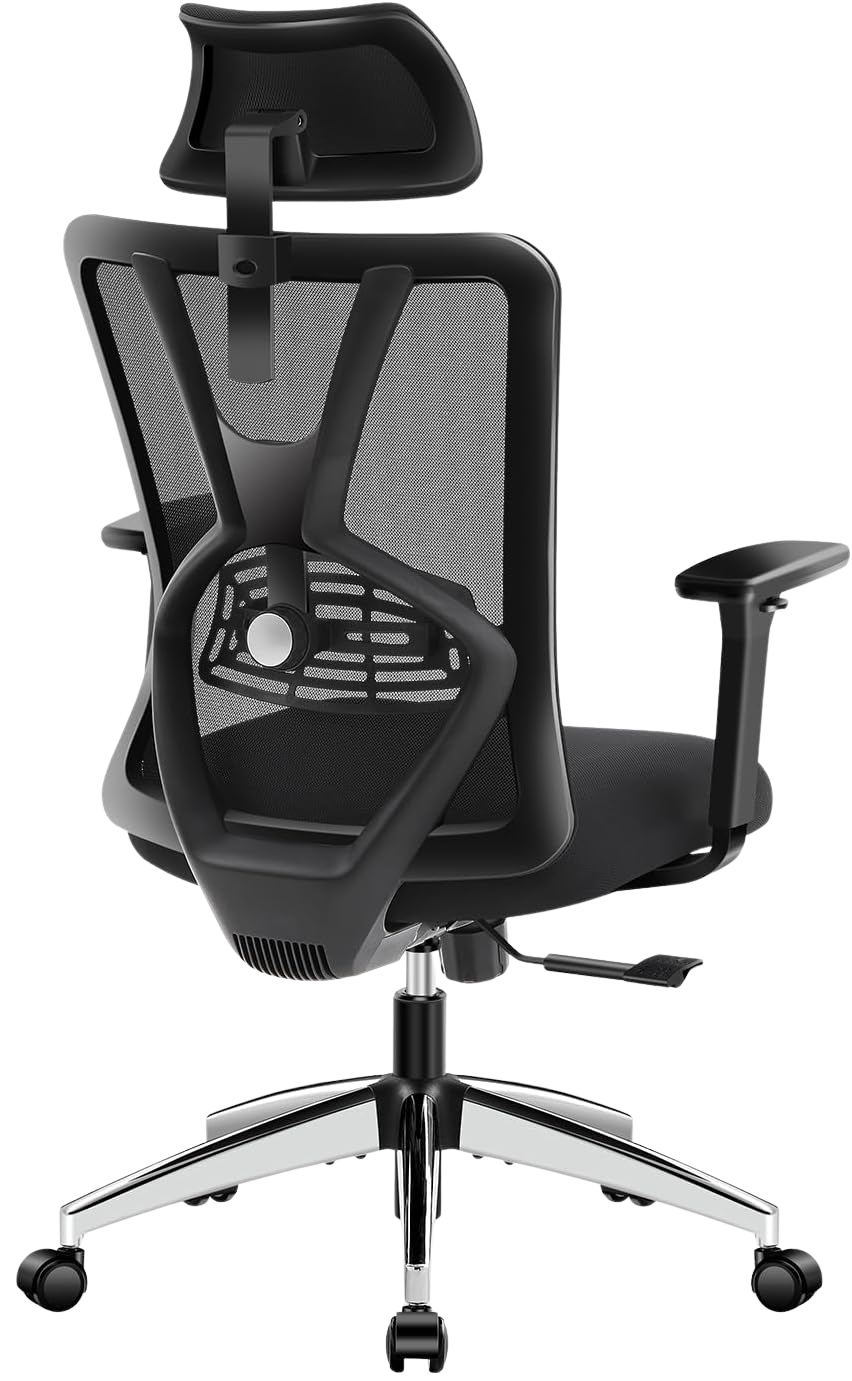
Ticova Ergonomic Chair (Mesh)
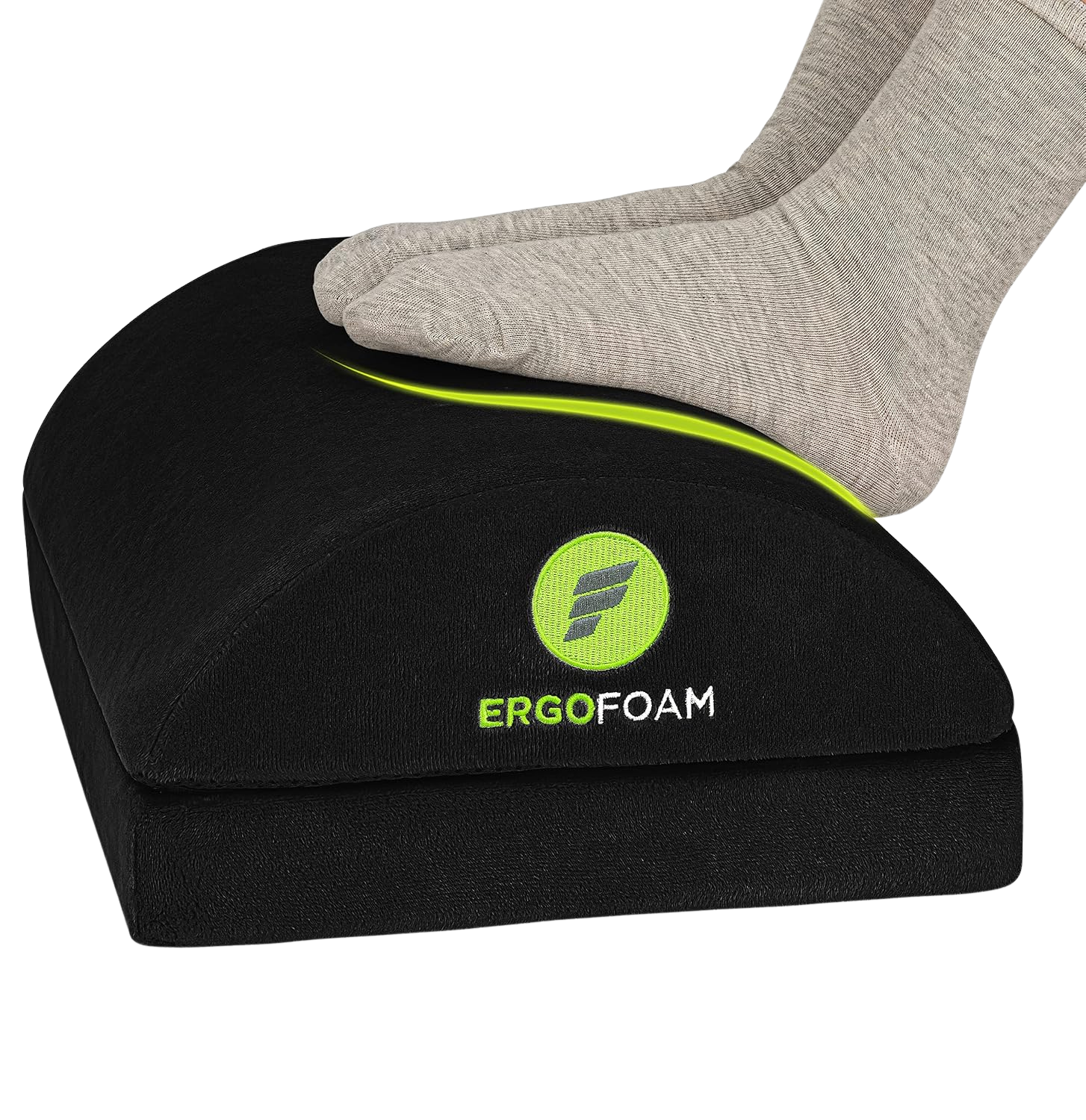
ErgoFoam Foot Rest
The mesh vs. foam debate comes down to two competing physics problems: thermal dissipation versus pressure distribution. Mesh wins on airflow. Foam wins on initial contact comfort. After 6 months of daily use, the winner shifts — and the data makes it clear which one holds up better for people who sit 7 to 10 hours a day.
This comparison is based on manufacturer specs, long-term buyer review patterns, and failure modes across Amazon listings. If you're still figuring out the full setup picture, start with our complete ergonomic home office setup before committing to a chair material.
1. Thermal Regulation & Airflow (The Sweat Factor)
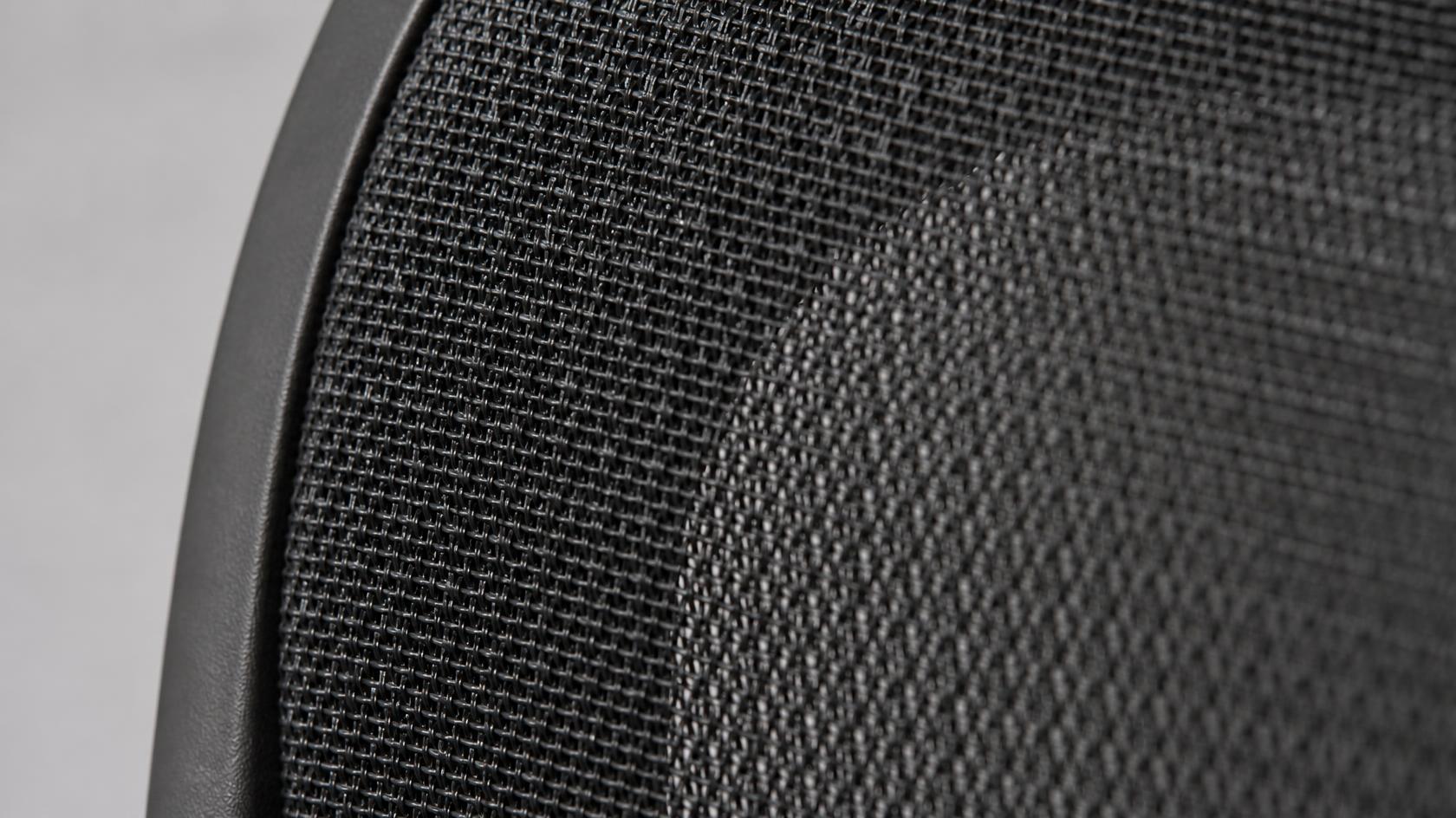
Mesh chairs use a tensioned polymer or nylon weave as the backrest surface. This weave creates thousands of small gaps that allow ambient air to circulate across your back continuously. You don't need active ventilation — the passive airflow is enough to prevent the heat buildup that foam creates.
Foam-backed chairs, including those with fabric or PU leather covers, trap heat against your lower and mid-back. The foam itself has near-zero breathability. Review data from buyers in warm climates (Southern US, Australia, Southeast Asia) consistently shows a pattern: foam chair users report discomfort within 90 minutes in rooms without AC. Mesh chair users rarely report the same discomfort, even in reviews written during peak summer months.
For anyone coding in a home office without dedicated climate control, the thermal difference is meaningful. Heat buildup from a foam backrest creates localized perspiration that causes postural shifting — you unconsciously lean forward to get air on your back, which ruins the lumbar contact you adjusted for.
Bottom line: Mesh is not marketing language. The airflow advantage is mechanical and measurable.
2. Pressure Distribution & Weight Load
This is where foam holds a genuine advantage — but only initially.
A dense foam seat or backrest conforms to the shape of your body under weight. It fills in the gaps between your body's contours and the chair surface, spreading the contact area wider. More contact area means lower pressure per square centimeter at any given point. This is why a new foam chair often feels immediately softer and more "comfortable" than a mesh alternative.
Mesh works differently. It applies tension across the entire weave surface. At the contact points where your body meets the mesh, the weave deflects and distributes load outward along the tension lines. Done correctly with a well-engineered mesh (Herman Miller's 8Z Pellicle, for example, uses eight zones of varying tension), this matches foam's distribution performance while maintaining airflow. Done poorly with a cheap single-tension PE weave, the mesh simply has a few high-pressure hot spots where the weave doesn't deflect enough.
The practical implication: if you're 200+ lbs and evaluating budget chairs, a cheap mesh backrest may create more localized back pressure than a foam alternative at the same price. Higher-quality mesh at $200+ resolves this because the weave is engineered for varying tension zones. Our mid-range ergonomic chairs roundup covers exactly this tier.
3. Long-Term Durability & Material Sag
This is the most important comparison for a home office purchase. You're not buying a chair for 3 months. You're buying it for 2 to 5 years.
Foam degradation timeline: Budget-tier foam, the kind typically used in sub-$200 seat cushions, shows measurable sag within 12 to 18 months of daily 8-hour use. Review patterns confirm this consistently — users who write reviews 12 months post-purchase on budget foam chairs almost universally mention the seat feeling "harder" or "flatter" than it did when new. High-density foam lasts significantly longer but is usually only found in chairs above $400.
Mesh degradation timeline: Quality mesh (woven nylon or polymer blends) loses tension very slowly. Review data from verified buyers using mid-range mesh chairs at 2 to 3 years of ownership report very little change in backrest feel. The weave maintains tension because it's anchored to a rigid frame perimeter. The failure mode for cheap mesh is different — the wires or strands can fray or break at the frame connection points, which creates a localized sag patch rather than a uniform softening.
At the same price point, mesh chairs statistically outlast foam chairs. The foam in the seat pan is a separate issue from the backrest — most mesh chairs still use foam seat cushions, so the seat pan degradation timeline applies regardless of backrest material.
4. Maintenance & Cleaning Realities
Foam chairs with fabric covers absorb spills and hold odors. Foam chairs with PU leather covers wipe clean but crack and peel after 18 to 24 months of daily use — especially at flex points along the seat edges and backrest sides.
Mesh has a different problem: debris accumulates in the weave. Crumbs, pet hair, and dust all work their way into the mesh surface and are difficult to remove without compressed air or a stiff brush. For people with pets or who eat at their desk, this becomes a maintenance task every few weeks.
Nylon mesh (common in mid-range chairs) handles cleaning better than cheaper PE weave mesh. It can be wiped down with a damp cloth and doesn't absorb liquids the way fabric foam covers do.
Neither material is definitively easier to maintain — it depends on your environment. Pets or food at the desk = mesh is harder. Humid climate with AC off = foam is harder.
The Verdict: Which One Should You Buy?
The right answer depends on your use case, not a universal material hierarchy.
Top Mesh Pick: Ticova Ergonomic Office Chair, $199.99
For long-session home office work (6+ hours daily), mesh wins. The combination of continuous airflow, superior long-term durability, and the Ticova's independent adjustable lumbar support system makes it the right call for developers, writers, and anyone who spends most of their working day seated.
The Ticova's mesh backrest holds tension reliably based on review patterns from buyers 12+ months post-purchase. The seat pan uses foam, so you should anticipate some cushion softening after a year of heavy use — adding a seat cushion at that point is a low-cost fix that extends the chair's useful life.
Before you sit in it, follow the proper chair adjustment sequence — getting the lumbar support positioned correctly takes 5 minutes and makes a significant difference in how the mesh actually supports your spine.
When foam makes sense
Foam chairs make sense in three specific scenarios:
- Light daily use (under 4 hours seated). If you're not sitting all day, foam's thermal disadvantage doesn't accumulate enough to cause discomfort. The initial comfort advantage is worth more in short-session contexts.
- Cold environments. In a home office that runs cold in winter, a foam backrest's heat retention becomes an advantage rather than a drawback.
- Specific body types. Very lean users sometimes find lightweight mesh backrests feel too firm at the contact points. High-density foam conforms more forgivingly for low body mass distributions.
For anyone outside these three scenarios — standard desk work in a temperature-variable home environment — mesh is the more defensible long-term choice.
Frequently Asked Questions
Does mesh or foam provide better lumbar support?
Neither material determines lumbar support quality — the mechanism does. A foam chair with a fixed foam lumbar pad provides worse support than a mesh chair with an independently adjustable lumbar mechanism. The Ticova, for example, has a mesh backrest paired with a lumbar support that slides up, down, in, and out. A foam-backed chair at the same price usually has a static pad you can't reposition. Prioritize adjustability over material when evaluating lumbar support.
Do mesh chairs wear out faster than foam chairs?
The opposite. At the same price tier, mesh backrests outlast foam-backed alternatives. Budget foam compresses and sags within 12 to 18 months under daily heavy use. Quality mesh loses tension noticeably more slowly, and the failure mode (localized fraying at frame attachment points) is visible before it causes postural problems. Foam degradation is gradual and often goes unnoticed until posture has already suffered.
Can I add a foam cushion to a mesh chair?
Yes, and it's a legitimate strategy. Mesh chairs give you airflow on your back but the foam seat pan degrades over time. Adding a replacement memory foam seat cushion after 12 to 18 months restores the seating surface without replacing the whole chair. This is a common and cost-effective approach documented in long-term buyer reviews across multiple mesh chair brands.
Review methodology & affiliate disclosure
WorkWize is reader-supported. When you buy through links on this site, we may earn an affiliate commission at no extra cost to you. Learn more.
At WorkWize, our goal is to save you time. We conduct extensive research by analyzing real buyer reviews, technical specifications, and long-term feedback across Amazon and verified forums. While we do not physically test every single unit in a lab, we aggregate verified data to highlight real pros, cons, and customer flaws. WorkWize does not manufacture, sell, or ship these products, and we are not liable for product variations, defects, or merchant price changes. All purchases are made directly through third-party retailers.
A. Abdessamed
Software Engineer & Founder of WorkWize
A recent Software Engineering graduate (Class of 2026) and tech enthusiast. I built WorkWize to help fellow developers and knowledge workers navigate the noise and find the perfect, pain-free ergonomic setup based on deep technical research.